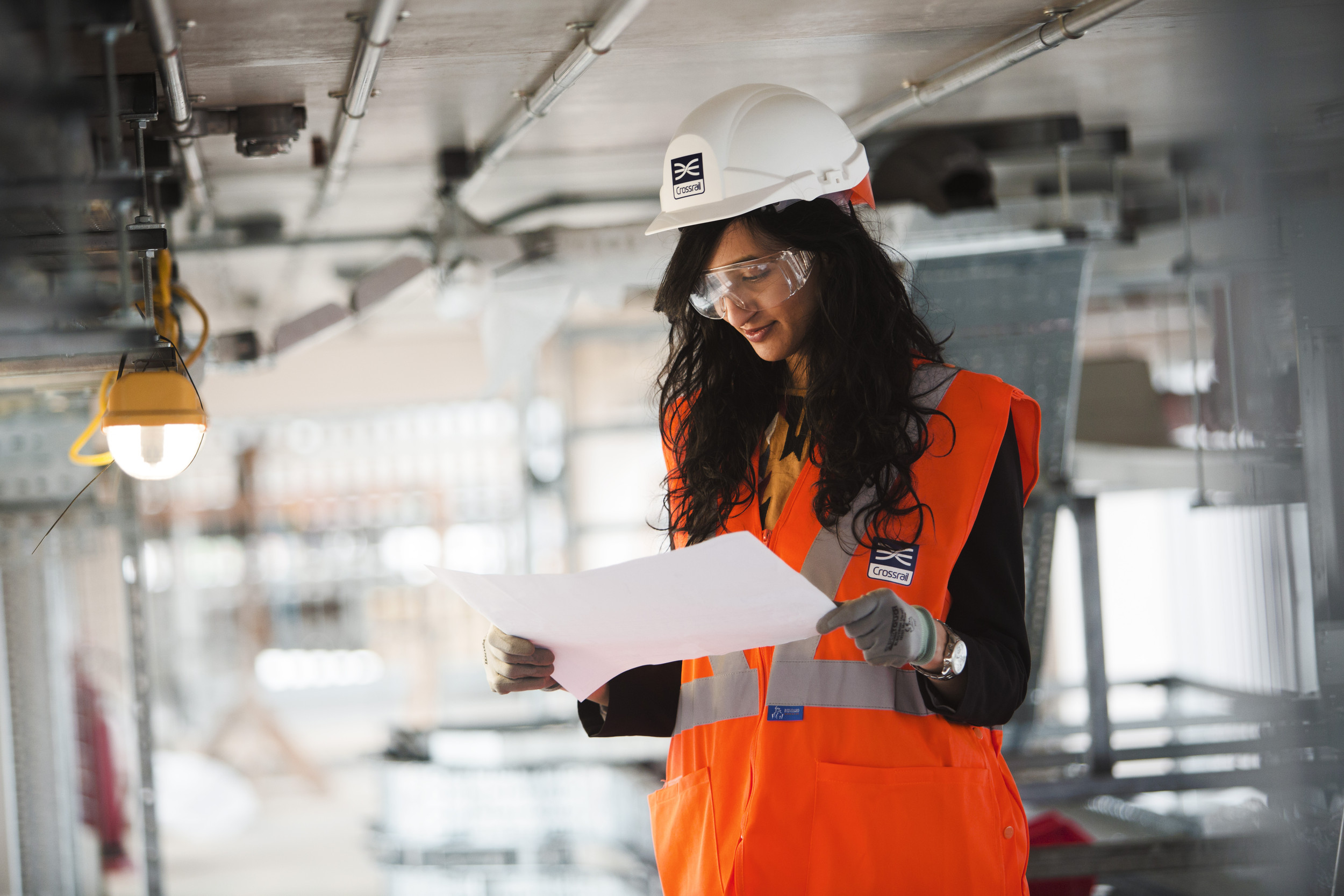
Today, we celebrate International Women in Engineering Day. Engineering and scientific discovery have always been connected, from process engineering in pharmaceuticals to sustainable chemical manufacturing. Yet the contributions of women in these fields have often been under-recognised, despite their transformative impact.
A timeline of key milestones
1843 – Ada Lovelace publishes the first computer algorithm
1883 – Emily Warren Roebling leads completion of the Brooklyn Bridge
1919 – Edith Clarke becomes the first professionally employed female electrical engineer in the US
1940s – Hedy Lamarr co-invents frequency-hopping technology
1960s – Katherine Johnson advances aerospace engineering at NASA
1965 – Stephanie Kwolek invents Kevlar
2012 – Jennifer Doudna co-develops CRISPR gene editing
History offers inspiring examples of women whose work laid the foundations for modern life sciences. Marie Curie revolutionised our understanding of radioactivity, while Ada Lovelace envisioned the first computer algorithm, shaping the digital world that now underpins modern research. In molecular biology, Rosalind Franklin played a critical role in revealing the structure of DNA (a discovery that continues to influence biotechnology and drug development today).
Progress and momentum
Today, women are leading groundbreaking work across engineering and life sciences, from advancing green chemistry and sustainable materials – the focus of this years’ World Engineering Day – to pioneering gene-editing technologies such as CRISPR.
Why this matters today
From computational modelling to advanced materials and biotechnology, these milestones highlight how diverse perspectives accelerate discovery. For organisations across life sciences and chemicals, building inclusive engineering teams is not just a social responsibility, it’s a strategic advantage that fuels creativity, problem-solving, and long-term growth.